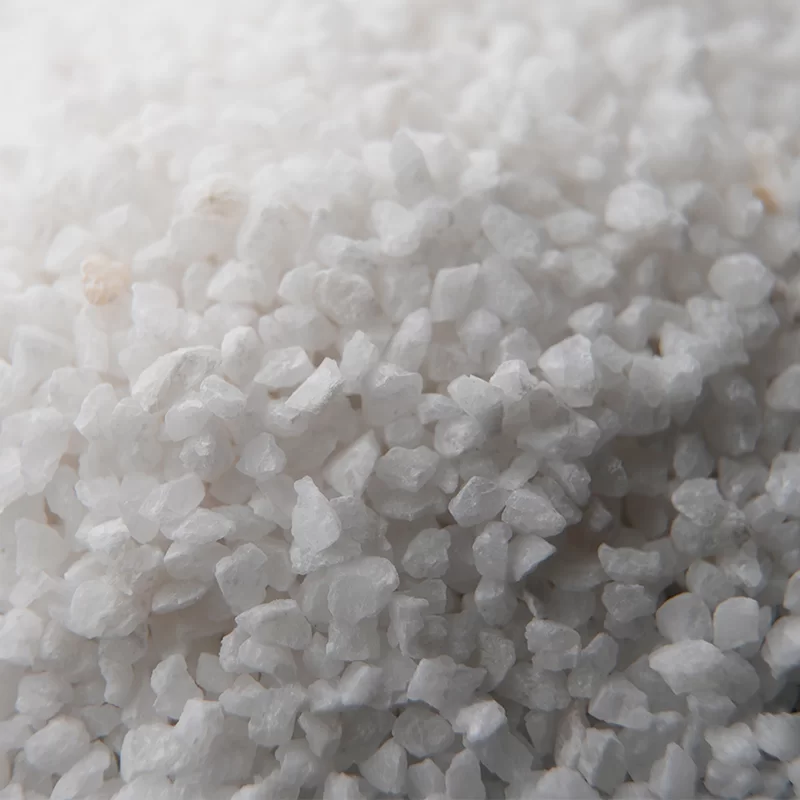
Quartz sand for epoxy floor systems represents a rapidly growing sector within the construction and industrial coatings industries. Its increasing adoption stems from the demand for durable, aesthetically pleasing, and cost-effective flooring solutions. Globally, the need for robust flooring in commercial spaces, manufacturing facilities, and even residential applications is driving innovation and increased utilization of quartz sand modified epoxy systems. This demand is amplified by the need for seamless, hygienic, and easily maintainable surfaces, particularly in sensitive environments like healthcare and food processing plants.
The global epoxy resin market, a key component in these systems, is projected to reach significant growth in the coming years, fueled by infrastructure development in emerging economies and stringent regulatory standards regarding surface hygiene and safety. The integration of quartz sand directly impacts performance characteristics like abrasion resistance, slip resistance, and overall longevity, making it a critical factor in specifying flooring solutions. The consistent quality and availability of suitable quartz sand are therefore crucial to meeting these burgeoning demands.
Understanding the nuances of quartz sand for epoxy floor applications is vital for architects, contractors, and facility managers. Selecting the right sand grade, ensuring proper mixing ratios, and applying the system correctly are all essential to maximizing the long-term benefits and avoiding costly failures. This knowledge enables informed decision-making, leading to flooring solutions that are not only visually appealing but also deliver superior performance and value.

Introduction to quartz sand for epoxy floor
The integration of quartz sand into epoxy flooring systems is a pivotal advancement in surface coating technology. It’s not simply about adding a granular material; it's a precise engineering process that enhances the performance and durability of the finished floor. This combination leverages the inherent strengths of both materials - the robust chemical resistance and adhesion of epoxy resins, and the hardness, abrasion resistance, and natural slip-resistance of quartz sand.
The versatility of quartz sand for epoxy floor allows for a wide range of aesthetic finishes, from subtle, textured appearances to vibrant, decorative designs. The choice of quartz sand grain size and color significantly influences the final look and feel of the floor, making it a popular choice for both functional and aesthetically driven projects.
Defining Quartz Sand for Epoxy Floor Systems
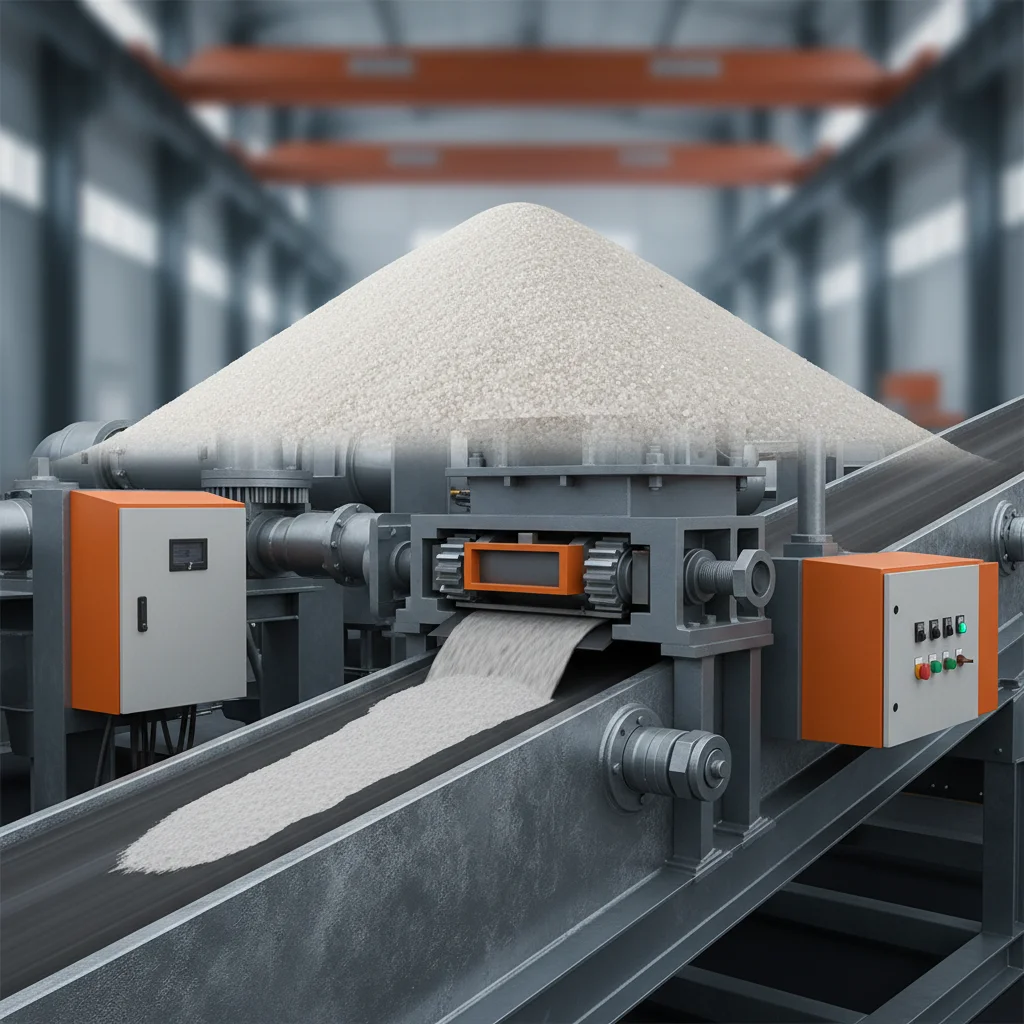
Quartz sand for epoxy floor systems refers to specifically graded and processed silica sand (SiO2) incorporated into epoxy resin formulations. Unlike regular construction sand, this quartz sand undergoes rigorous cleaning, drying, and sieving to ensure consistent particle size distribution and purity. This is essential for achieving optimal bonding with the epoxy, preventing issues like bubbling, poor adhesion, and uneven texture.
The quality of the quartz sand directly impacts the floor's longevity and performance. It must be free from contaminants like clay, organic matter, and other impurities that could compromise the epoxy’s structural integrity. Particle shape is also important; rounded grains generally offer better workability and smoother finishes compared to angular grains.
This specialized quartz sand is crucial for creating durable, aesthetically pleasing, and high-performance epoxy flooring solutions. Its use extends beyond simple aesthetics; it's integral to achieving specific functional properties like slip resistance, chemical resistance, and impact resistance, making it invaluable in various industrial and commercial settings.
Key Properties of Quartz Sand in Epoxy Formulations
Several key properties of quartz sand contribute to the superior performance of epoxy flooring systems. Firstly, its exceptional hardness (7 on the Mohs scale) provides excellent abrasion resistance, protecting the floor from wear and tear under heavy foot traffic or industrial use. Secondly, quartz sand’s chemical inertness ensures compatibility with the epoxy resin and resistance to various chemicals and solvents.
Furthermore, the angularity of quartz sand particles provides inherent slip resistance, enhancing safety in potentially hazardous environments. The controlled particle size distribution allows for precise control over the texture and aesthetic appeal of the finished floor. The thermal stability of quartz also ensures the floor’s integrity under fluctuating temperatures.
Properly graded quartz sand for epoxy floor systems enhance the floor’s compressive strength, reducing the risk of cracking or deformation under heavy loads. The sand acts as a filler, reducing the epoxy resin volume required and potentially lowering material costs without sacrificing performance.
Performance Characteristics and Application Benefits
The incorporation of quartz sand significantly enhances several key performance characteristics of epoxy floor systems. These include increased impact resistance, protecting against damage from dropped objects or heavy machinery. Abrasion resistance is dramatically improved, extending the floor’s service life in high-traffic areas.
Slip resistance is a critical safety feature, particularly in commercial and industrial environments. Quartz sand provides a textured surface that reduces the risk of slips and falls, minimizing potential accidents and liability. The overall durability of the flooring system is increased, leading to lower maintenance costs and fewer repairs over time.
Quartz Sand for Epoxy Floor Performance Metrics
Global Applications of Quartz Sand Epoxy Floors
Quartz sand epoxy floors are extensively used across various industries globally. In industrial settings, such as manufacturing plants and warehouses, they provide a durable and chemical-resistant surface capable of withstanding heavy loads and harsh conditions. The automotive industry utilizes these floors for their resistance to oil, grease, and other automotive fluids.
In commercial environments like retail stores, shopping malls, and office buildings, quartz sand epoxy floors offer an aesthetically pleasing and low-maintenance surface. Healthcare facilities benefit from their seamless and hygienic properties, facilitating easy cleaning and preventing bacterial growth. Food processing plants rely on their chemical resistance and ability to withstand frequent washdowns.
Advantages and Long-Term Value Proposition
The advantages of using quartz sand epoxy floors extend beyond their immediate performance characteristics. The long-term cost savings associated with reduced maintenance and fewer repairs represent a significant value proposition. The durability of these floors minimizes the need for frequent resurfacing or replacement, translating into lower lifecycle costs.
The environmental benefits are also noteworthy. The extended lifespan of the flooring reduces waste associated with frequent replacements, and epoxy resin formulations are continuously evolving to incorporate more sustainable materials. The aesthetic versatility enhances the appeal of commercial spaces, potentially increasing property value. Ultimately, investing in a quartz sand for epoxy floor system is an investment in long-term value, reliability, and sustainability.
From a safety standpoint, the enhanced slip resistance provided by quartz sand significantly reduces the risk of accidents and associated liabilities, offering peace of mind to building owners and operators.
Future Trends and Innovation in Quartz Sand Epoxy Systems
The future of quartz sand epoxy flooring is marked by continuous innovation in both materials and application techniques. Research is focused on developing more sustainable epoxy resins derived from bio-based sources, reducing the environmental footprint of these systems. Nanotechnology is being explored to further enhance the properties of the epoxy matrix, improving its strength, chemical resistance, and UV stability.
Advancements in quartz sand processing are leading to more precisely graded and shaped particles, enabling finer control over the final floor’s texture and appearance. The integration of digital technologies, such as robotic application systems, is increasing efficiency and precision in installation. Self-healing epoxy formulations are also under development, promising to automatically repair minor damage and extend the floor’s service life.
The trend towards decorative epoxy flooring, incorporating intricate designs and color patterns, is driving demand for innovative pigment technologies and application methods. Smart flooring solutions, integrating sensors and data analytics, are also emerging, allowing for real-time monitoring of floor conditions and proactive maintenance.
Summary of Future Trends in Quartz Sand Epoxy Flooring
| Trend Category |
Specific Innovation |
Impact on Performance |
Timeline for Adoption |
| Material Science |
Bio-Based Epoxy Resins |
Reduced Environmental Impact |
2-5 Years |
| Nanotechnology |
Carbon Nanotube Reinforcement |
Enhanced Strength and Durability |
5-10 Years |
| Sand Processing |
Precision Grading and Shaping |
Improved Texture Control |
1-3 Years |
| Application Techniques |
Robotic Installation Systems |
Increased Efficiency and Precision |
3-5 Years |
| Resin Technology |
Self-Healing Epoxy Formulations |
Extended Floor Lifespan |
5-10 Years |
| Design & Functionality |
Smart Flooring with Sensors |
Real-Time Monitoring & Maintenance |
5-10 Years |
FAQS
The ideal grain size depends on the desired finish and application. For a textured, slip-resistant floor, a coarser sand (e.g., 40-70 mesh) is preferred. For a smoother, decorative finish, a finer sand (e.g., 80-120 mesh) is more suitable. Proper grading is critical to ensure even distribution and optimal bonding with the epoxy. The appropriate mesh size will affect the durability and visual aesthetic of the quartz sand for epoxy floor system.
Proper substrate preparation is crucial for a successful application. The concrete surface must be clean, dry, and free from contaminants like oil, grease, and dust. Mechanical profiling, such as grinding or shot blasting, is often necessary to create a suitable surface for epoxy adhesion. Repair any cracks or damage before proceeding, and ensure the concrete is properly cured.
Both quartz sand and epoxy resins require careful handling. Wear appropriate personal protective equipment (PPE), including a respirator, safety glasses, gloves, and protective clothing. Ensure adequate ventilation to avoid inhaling epoxy fumes or silica dust from the sand. Follow the manufacturer’s instructions for mixing and application.
Temperature significantly impacts both application and curing. Epoxy resins have optimal application temperatures, typically between 60°F and 85°F (16°C and 29°C). Low temperatures can slow down curing, while high temperatures can accelerate it, potentially leading to bubbling or uneven finishes. Maintain consistent temperatures during both application and curing for best results.
With proper installation and maintenance, a quartz sand epoxy floor can last 10-20 years or even longer. The lifespan depends on factors like traffic volume, exposure to chemicals, and the quality of materials used. Regular cleaning and occasional resealing can help extend its service life. Choosing high-quality quartz sand for epoxy floor and epoxy is a major factor.
Quartz sand is a naturally abundant material, and epoxy resins are becoming increasingly sustainable with the development of bio-based formulations. The long lifespan of quartz sand epoxy floors reduces the need for frequent replacements, minimizing waste. Choosing eco-friendly epoxy resins and responsible sourcing of quartz sand further enhances its sustainability.
Conclusion
Quartz sand epoxy flooring offers a compelling combination of durability, aesthetic versatility, and cost-effectiveness. From industrial facilities to commercial spaces, these systems provide a robust and long-lasting surface capable of withstanding demanding conditions. The continuous innovation in epoxy resin technology and quartz sand processing is further enhancing the performance and sustainability of these solutions.
Investing in a properly designed and installed quartz sand for epoxy floor system is a strategic decision that delivers long-term value. By understanding the key properties of quartz sand, proper application techniques, and future trends, stakeholders can optimize their flooring investments and create spaces that are both functional and aesthetically appealing. Visit our website at www.cnfloormaterials.com to learn more.